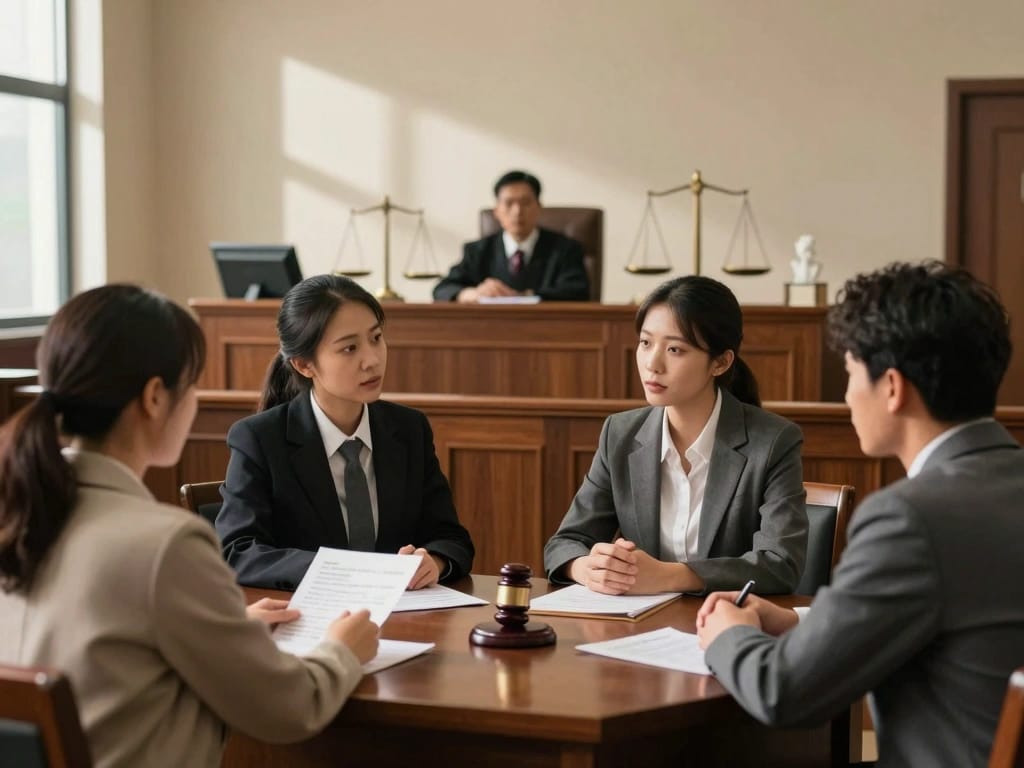
Introduction to Small Claims Court for Unpaid Invoices
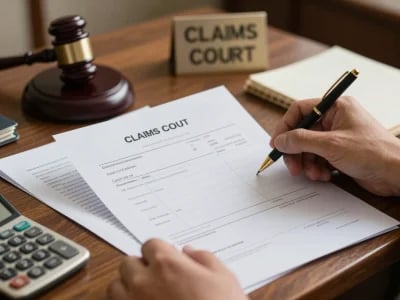
Definition and Purpose of Small Claims Court
Small Claims Court is a specialized legal venue designed to resolve disputes quickly and efficiently without the need for formal legal representation. It primarily addresses minor civil disputes, including unpaid invoices, allowing individuals and businesses to seek compensation for debts that remain unresolved. The streamlined process is intended to make it accessible to everyday citizens, providing a platform where they can present their cases and receive judgments for amounts typically ranging from $2,500 to $10,000, depending on jurisdiction.
Eligibility Criteria for Filing a Claim
To file a claim in Small Claims Court for unpaid invoices, several eligibility criteria must be met:
- Claim Amount: The amount owed must fall within the limits set by the state. For instance, California allows claims up to $10,000 for individuals, while New York has a limit of $5,000.
- Type of Debtor: Claims can be filed against individuals, businesses, or organizations, provided they are legally recognized entities.
- Jurisdiction: You must file your claim in the appropriate court based on where the debtor resides or where the transaction took place.
- Time Limits: There are statutes of limitations that dictate how long you have to file a claim after the invoice becomes overdue, which can range from 2 to 6 years depending on the state.
Common Types of Cases Handled
Small Claims Court handles a variety of cases, but when it comes to unpaid invoices, the most common scenarios include:
- Freelance services not compensated (e.g., graphic design, web development)
- Unpaid bills from contractors or service providers (e.g., plumbers, electricians)
- Unpaid rent or lease agreements
- Outstanding invoices for products sold (e.g., merchandise sold to a retailer)
Preparing Your Case for Small Claims Court
Gathering Necessary Documentation
Preparation is key to a successful claim in Small Claims Court. You should gather all relevant documentation to support your case, including:
- Invoice Copies: Ensure you have copies of all unpaid invoices, clearly showing the amount owed and the due dates.
- Payment Records: Record any payments made, partial or full, including receipts and bank statements.
- Contracts or Agreements: If applicable, present any contracts or agreements that outline the terms of service or sale.
- Communication Records: Keep a log of all communications with the debtor, including emails, letters, and text messages regarding payment requests.
Understanding the Relevant Laws and Regulations
Each state has its own laws governing Small Claims Court, including filing procedures, allowable claims, and limits on damages. It’s crucial to familiarize yourself with these regulations to ensure compliance. For example, some states may require mediation prior to filing a claim, while others may have specific forms that must be filled out. Researching your state’s rules on small claims can save you time and prevent delays in your case.
Preparing Your Argument and Evidence
Once you have gathered your documentation, prepare your argument. This involves:
- Structuring Your Case: Outline your argument logically, explaining how the debt arose and why the debtor is liable.
- Presenting Evidence: Decide which documents and testimonies will best support your case. Prepare to explain how each piece of evidence relates to your claim.
- Rehearsing Your Presentation: Consider practicing your presentation with a friend or family member to ensure you can present your case confidently and clearly.
The Small Claims Court Process
Filing a Claim: Step-by-Step Guide
The process of filing a claim in Small Claims Court involves several steps:
- Complete the Claim Form: Obtain the necessary forms from your local Small Claims Court website or office. Fill out the claim form accurately, providing all required information.
- File Your Claim: Submit your completed claim form along with any required fees. Fees can vary by state but typically range from $30 to $200.
- Receive a Case Number: After filing, you will receive a case number, which you should use in all future correspondence regarding the case.
Notification of the Defendant
After filing your claim, it is essential to notify the defendant about the lawsuit. This is typically done through a process known as “service of process.” You can serve the defendant in several ways:
- Personal Service: Delivering the claim documents directly to the defendant.
- Certified Mail: Sending the documents via certified mail, ensuring you receive a confirmation of delivery.
- Substituted Service: If the defendant cannot be located, you may be able to serve a responsible adult at their residence or place of business.
What to Expect on the Court Date
On the day of your court hearing, you should be prepared for the following:
- Arrive Early: Give yourself enough time to find the courtroom and gather your thoughts.
- Present Your Case: When your case is called, present your argument and evidence succinctly. Be respectful and concise, focusing on the facts.
- Listening to the Defendant: After your presentation, the defendant will have the opportunity to respond. Listen carefully to their argument, as it may provide insights into their defense.
Defending Against Claims in Small Claims Court
Possible Defenses for Unpaid Invoices
If you are the defendant in a Small Claims Court case regarding unpaid invoices, you may present several defenses:
- Disputed Amount: Argue that the amount claimed is incorrect or that you have already made a payment.
- Quality of Service: If the service or product was defective or not delivered as promised, this can be a valid defense.
- Failure to Follow Agreement: If the plaintiff did not adhere to the terms of the contract, you may argue that you are not liable for payment.
Counterclaims: When and How to File
As a defendant, you may also file a counterclaim against the plaintiff for damages resulting from the same transaction. To do so, you must:
- File a Counterclaim Form: This will usually require a separate form, and you must pay a filing fee.
- Provide Evidence: Present your own evidence that supports your counterclaim, such as receipts or correspondence.
- Be Prepared for a Hearing: The court will typically hear the original claim and the counterclaim together, so be ready to present your case.
Strategies for Presenting Your Case Effectively
To present your case effectively, consider the following strategies:
- Stay Organized: Keep your evidence and documents in order so that you can easily reference them during your presentation.
- Be Clear and Concise: Avoid unnecessary details; stick to the key points that support your claim.
- Practice Good Courtroom Etiquette: Address the judge respectfully, avoid interrupting, and maintain a calm demeanor.
Post-Judgment Actions for Unpaid Invoices
Understanding the Judgment Outcome
After the judge makes a decision, you will receive a judgment outcome, which could be in favor of either party. If you win, the judgment will specify the amount the debtor must pay. If the debtor wins, your claim will be dismissed. Understanding the implications of the judgment is crucial for your next steps.
Enforcement of the Judgment
If you win your case and the debtor does not pay voluntarily, you may need to take steps to enforce the judgment. Common enforcement methods include:
- Wage Garnishment: You may be able to obtain a court order to have a portion of the debtor's wages withheld until the debt is paid.
- Bank Levy: You can request a court order to seize funds directly from the debtor's bank account.
- Property Liens: If applicable, you can place a lien on the debtor’s property, which may affect their ability to sell or refinance it until the debt is satisfied.
Options for Appeal and Further Action
If you are dissatisfied with the judgment, you may have the option to appeal. The process for appealing a small claims judgment varies by state and may involve:
- Filing a Notice of Appeal: Typically, you must file this within a specific timeframe, often 30 days after the judgment.
- Preparing for a Higher Court Hearing: Be prepared for a more formal process in a higher court, which may involve legal representation.
- Understanding Limitations: Not all judgments may be appealed, and some may only allow appeals based on procedural errors rather than factual disagreements.